Source Stainless Steel Candy Depositor Machine for Chocolate, Gummy, and Jelly Production
Find and compare 30 Stainless Steel Candy Depositor Machine options from Chinese manufacturers. Evaluate models like SMD10-S and GD series for depositing chocolate bars, gummy candies, and jelly products in commercial snack food factories.
Key considerations
Products List


Chocolate Depositor Machine Chocolate Filling Machine Chocolate Molding Machine
$16300.00 - $17500.00
MOQ: 1 Pieces


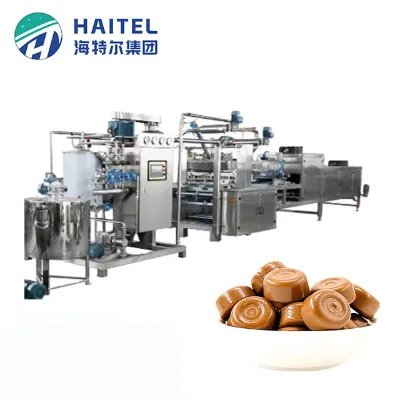

Comprehensive Sourcing Guide
Stainless Steel Candy Depositor Machine Sourcing Guide
Selecting the right Stainless Steel Candy Depositor Machine requires a careful balance of technical precision, material integrity, and operational efficiency. These machines are central to modern confectionery production lines, transforming liquid or semi-liquid chocolate, gummy, and jelly mixtures into precise, uniform shapes. For procurement teams, the decision is not merely about purchasing equipment but about securing a reliable partner in production consistency. The core challenge lies in identifying a unit that matches specific product viscosities, output targets, and hygiene standards without over-engineering the solution or compromising on critical safety certifications.
This guide provides a structured approach to evaluating suppliers and specifications for stainless steel candy depositing equipment. By focusing on verified attributes such as material grade, piston configuration, and automation levels, buyers can mitigate risks associated with production downtime and product waste. The following sections break down the essential considerations for sourcing, from interpreting listing signals to establishing long-term maintenance protocols, ensuring that every procurement decision is grounded in observable data and industry best practices.
Product Scope and Observed Listing Signals
The market for candy depositor machines presents a wide variance in capabilities, often reflected in the observed listing signals. Current data indicates a price range spanning from $1,000 to $900,000 USD, with a minimum order quantity (MOQ) typically set at one unit. This broad spectrum suggests that buyers will encounter everything from small-scale, manual-assist depositors suitable for boutique chocolate bars to high-speed, fully automatic lines capable of producing hundreds of kilograms per hour. The presence of both "Non-Customized" and "Customized" options indicates that while standard models exist, many manufacturers offer tailored solutions for specific product types, such as center-filled chocolates or complex gummy shapes.
Listing attributes frequently highlight key selling points like multifunctionality and electric power sources, which are standard for modern industrial equipment. Buyers should note that while many listings claim compatibility with various applications like chips, biscuits, and ice cream, the core function remains the precise deposition of viscous materials. Specific models, such as the SMD10-S or GD series, often specify piston configurations like 16mm10 or 20mm8*2, which directly influence the size and weight of the final product. Understanding these signals helps buyers filter out irrelevant listings and focus on machines that align with their specific throughput and product format requirements.
Technical Specifications to Verify
Material composition is the most critical technical specification for any food processing machine, particularly those handling chocolate and sugar-based products. The supplied facts indicate that many units are constructed from SSS 304 stainless steel or general stainless steel, which is essential for corrosion resistance and ease of cleaning. Buyers must verify that all product-contact surfaces meet food-grade standards, as inferior materials can lead to contamination and rapid degradation of the machine’s finish. Additionally, the hopper capacity, often listed around 12 liters, should be evaluated against your batch size requirements to ensure continuous operation without frequent refilling interruptions.
Automation and control systems vary significantly across different models, impacting both labor costs and production consistency. Look for specifications that confirm automatic grading and electric power sources, ensuring the machine integrates seamlessly into existing factory infrastructure. Voltage requirements, commonly 220V, must be matched to your local power supply to avoid the need for expensive transformers. Furthermore, the processing method, whether for frozen, chilled, or concentrated ingredients, dictates the machine’s heating and cooling capabilities. Verify that the depositor’s temperature control range aligns with the melting and setting points of your specific raw materials, such as natural ingredients or nut-based fillings.
Compliance and Safety Documentation
Certification is a non-negotiable aspect of sourcing industrial food machinery, serving as proof that the equipment meets international safety and quality standards. The observed listings frequently cite CE certification, which is mandatory for machinery sold within the European Economic Area and indicates compliance with essential health and safety requirements. Buyers should request valid CE certificates and verify that they cover the specific model being purchased. While some listings mention ISO certifications, such as ISO 9001 or ISO 14001, these often apply to the manufacturer’s quality management system rather than the machine itself. Therefore, it is crucial to distinguish between product-specific certifications and broader corporate credentials.
Safety features and operational safeguards must be explicitly documented in the machine’s technical manual. Ensure that the equipment includes emergency stop mechanisms, protective guards, and clear labeling for all moving parts. The "New" condition of most listed units suggests that modern safety protocols are likely integrated, but buyers should confirm the presence of specific safety interlocks that prevent operation when maintenance panels are open. Additionally, verify that the electrical components are rated for industrial environments and comply with local electrical codes. Proper documentation of these safety features not only ensures regulatory compliance but also protects your workforce from potential hazards during high-speed operation.
Cost Drivers and Commercial Terms
The price of a stainless steel candy depositor is influenced by several key factors, including output capacity, automation level, and customization options. Units with higher output capacities, such as those capable of processing 20-60 kilograms per hour, typically command higher prices due to the robustness of their motors and control systems. Customization, such as adjusting piston sizes or modifying the depositor head for specific product shapes, adds to the cost but can significantly reduce waste and improve product quality. Buyers should request detailed quotes that break down the cost of standard features versus optional upgrades to understand the true value proposition of each model.
Commercial terms, including packaging and shipping, also play a significant role in the total cost of ownership. Listings often specify wooden case packing, which is essential for protecting the machine during international transit. Buyers should confirm who is responsible for freight costs and insurance, as these can vary widely depending on the destination and the size of the equipment. Additionally, consider the lead time for manufacturing and delivery, especially if you are ordering a customized unit. Clear communication regarding payment terms, warranty coverage, and after-sales support is essential to avoid unexpected expenses and ensure a smooth procurement process.
Supplier Qualification and Quality Control
Evaluating supplier qualifications is vital to ensuring that the purchased machine will perform reliably over its lifespan. Buyers should prioritize suppliers who demonstrate a strong track record in manufacturing food processing equipment, particularly those specializing in chocolate and confectionery machinery. The place of origin, such as Sichuan or Shanghai in China, can provide insights into the supplier’s industrial ecosystem and supply chain efficiency. However, geographic location should not be the sole determinant; instead, focus on the supplier’s ability to provide comprehensive technical support, installation services, and training for your operational staff.
Quality control processes should be transparent and verifiable before placing an order. Request detailed inspection reports, factory audit results, and references from existing customers. Verify that the supplier conducts rigorous testing of each machine before shipment, including leak tests for hydraulic or pneumatic systems and calibration checks for deposition accuracy. Establishing a clear quality assurance protocol, including acceptance criteria for the delivered machine, helps mitigate the risk of receiving defective equipment. Building a relationship with a supplier who values transparency and continuous improvement will pay dividends in terms of reliability and support throughout the machine’s operational life.
Long-Term Procurement Checks
Sustainability and maintenance are critical considerations for long-term procurement success. Stainless steel construction offers durability, but regular maintenance is required to preserve the machine’s performance and hygiene standards. Buyers should inquire about the availability of spare parts, such as pistons, seals, and control board components, and assess the lead time for obtaining these items. A supplier with a robust inventory of spare parts can significantly reduce downtime in the event of a breakdown. Additionally, consider the energy efficiency of the machine, as electric motors and heating elements contribute to ongoing operational costs.
Future-proofing your investment involves evaluating the machine’s adaptability to changing market demands. As product trends shift, the ability to quickly switch between different chocolate types, such as bars, balls, or chips, becomes increasingly valuable. Verify that the machine’s software and hardware allow for easy reprogramming and adjustment of deposition parameters. Furthermore, stay informed about emerging technologies in confectionery processing, such as advanced temperature control systems or automated cleaning protocols. By selecting a machine that offers flexibility and scalability, you ensure that your production capabilities remain competitive and responsive to future business needs.
FAQs
What certifications do stainless steel candy depositor machines have?
These machines typically hold CE certification to ensure compliance with European safety standards. Some models may also feature ISOCE or other quality marks. Buyers should verify specific documentation with suppliers to confirm regulatory adherence for their target markets before procurement.
Can the machine handle different chocolate types?
Yes, the equipment supports multiple chocolate forms including bars, balls, blocks, center-filled varieties, and chips. It is designed for versatile processing of natural ingredients and raw materials like nuts and chocolate, allowing manufacturers to produce diverse confectionery products efficiently.
What is the typical voltage requirement for operation?
The standard voltage requirement is 220V, powered via a plug. This electric power source ensures stable operation for depositing tasks. Users must ensure their facility provides compatible electrical infrastructure to support the machine's continuous functioning during production cycles.
Which materials are used in the machine construction?
The machine is constructed from SSS 304 stainless steel or general stainless steel materials. This ensures durability, hygiene, and resistance to corrosion, which is critical for food processing applications involving candy, chocolate, and other sensitive ingredients in commercial settings.
What customization options are available for buyers?
Customization is available for various components and configurations. Buyers can select specific piston standards, such as 16mm or 20mm widths, and choose between non-customized or fully customized setups. This flexibility allows adaptation to specific production lines and product requirements.
What is the output capacity of these machines?
Output capacity ranges from 20 to 60 kilograms per hour depending on the model. This range supports various production scales, from small batches to larger commercial operations. The actual output depends on the specific product type and machine configuration selected by the buyer.